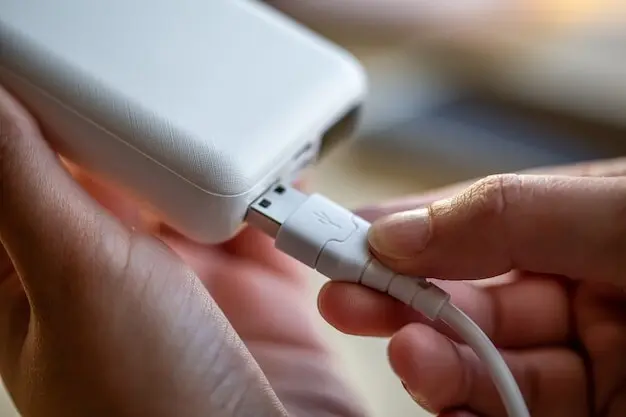
One Connector, Less Clutter, a Cleaner Planet

Today we explore reducing electronic waste through universal charging built around USB‑C, showing how one versatile connector can replace drawers of mismatched adapters, extend device life, and streamline power for phones, laptops, and accessories. Discover practical steps, supportive policies, and community actions that turn tangled cables into measurable environmental gains you can feel in everyday life.

Billions of Accessories, Short Lives

Small accessories fail the longevity test because compatibility breaks faster than plastic housings wear out. A cable might be perfectly intact yet instantly obsolete when a new connector standard arrives on a flagship gadget. Multiply that by households, offices, and schools, and you get mountains of discards that feel trivial individually but add up to staggering waste and recurring replacement costs.

Compatibility Walls and Abandoned Extras

When one device insists on a unique connector, it traps working chargers behind a compatibility wall. People postpone responsible recycling because they keep spares ‘just in case,’ then move, upgrade, and forget them. Months later, the same frustration pushes another purchase, while the old stack lingers in a box, silently becoming waste that universal charging could have prevented through shared, enduring access.

A Family Story from a Tangled Kitchen Drawer

Consider a family whose drawer overflowed after every birthday upgrade. Dad’s camera used a barrel plug, a kid’s music player demanded a 30‑pin connector, and mom’s phone needed micro‑USB. Vacation prep meant hunting for missing originals. Switching everyone to devices that accept USB‑C brought surprising calm: one fast charger on the counter, labeled cables by length, and far fewer impulse accessory purchases.

How USB‑C Standardization Cuts Waste Without Cutting Capability

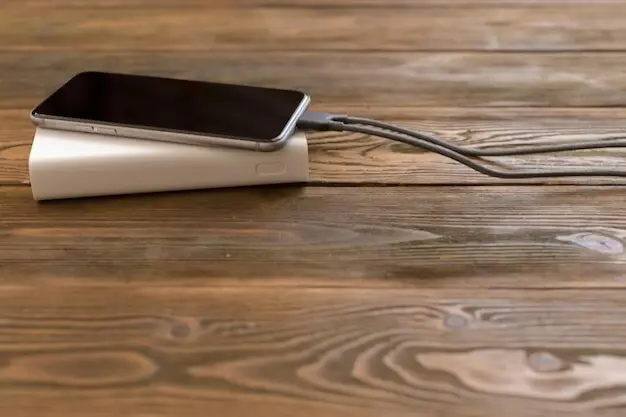
USB‑C’s strength is not only the reversible plug but a flexible power and data architecture that grows with needs. A single connector can trickle‑charge earbuds, fast‑charge laptops, and carry high‑bandwidth data or video, all while staying backward compatible. Standardization enables safe sharing, fewer redundant adapters, and longer useful lives for chargers that gracefully serve new devices over time.

Policy Winds and Market Momentum

Public policy and market leaders increasingly align around common connectors to reduce waste and simplify charging. Clear timelines and standards nudge manufacturers toward ports most consumers can share. When influential brands adopt consistent connectors, accessories circulate more broadly, reuse rises, and the cost of keeping incompatible options fades. Together, these forces accelerate practical change that households immediately notice and appreciate.

Choose Certified, Right‑Sized Power

Look for reputable brands and relevant certifications, choosing wattage that genuinely meets your devices. A 45–65 watt GaN charger often covers phones, tablets, and many ultrabooks, while gaming or creative laptops may need more. Avoid overbuying, but skip ultra‑cheap, uncertified options. The goal is fewer, better chargers that safely last years, share across your household, and prevent repeated, wasteful replacements.

Label, Share, and Maintain

Small behaviors yield big wins. Label cables by length and capability, dedicate a central family charging spot, and keep a travel set in a pouch to prevent emergency airport purchases. Coil cables loosely to avoid stress at connectors, and dust ports occasionally. Share chargers confidently where wattage allows, and keep a simple inventory list so you buy only what truly adds utility.

Dispose and Donate Responsibly

When a cable frays or a charger finally fails, skip the trash. Many municipalities, electronics retailers, and community drives accept accessories for recycling. Working spares can be donated to shelters, schools, or makerspaces. Responsible disposition keeps metals in circulation and plastics out of landfills, closing the loop on accessories that served well and deserve a thoughtful end to their journey.

Smarter Buying and Caring for Cables and Chargers

Thoughtful purchasing and simple habits magnify the environmental advantages of USB‑C. Selecting certified products, matching wattage to needs, and labeling shared gear reduce confusion and prevent unnecessary replacements. Proper storage, gentle coiling, and safe disposal at end of life protect both wallets and the planet. These daily practices ensure universal charging fulfills its promise well beyond technical specifications alone.

Multi‑port GaN Bricks Replace Piles of Adapters
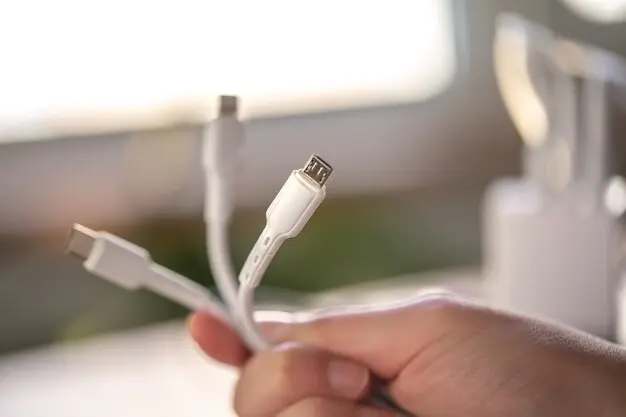
Modern GaN chargers pack high efficiency into compact bodies with multiple USB‑C ports, sometimes alongside USB‑A for legacy gear. One quality unit can power a laptop, phone, and headphones simultaneously, retiring several older bricks. Fewer wall warts mean fewer materials mined, molded, shipped, and discarded. Travelers notice lighter bags, desks stay neater, and the environment benefits from consolidated, long‑lived infrastructure.

Field‑Replaceable Cables Beat Fixed Leads

Chargers with detachable USB‑C cables outlast their fixed‑lead cousins because the most failure‑prone part becomes interchangeable. If a cable frays, swap it without discarding the brick. Standard lengths, braided jackets, and e‑marked options further extend life. This simple design choice transforms accessories from disposable to maintainable, empowering households and repair shops to keep working hardware active rather than feeding landfills unnecessarily.

Measuring Impact and Building Community Action

Universal charging gains become powerful when measured and shared. Simple inventories reveal duplicate adapters, while standardized kits demonstrate daily convenience. Organizations can track procurement reductions after moving to USB‑C, and families can count accessories retired through sharing. Publishing before‑and‑after photos, checklists, and savings builds momentum, inspiring neighbors and colleagues to join a practical path toward lighter footprints and fewer tangled drawers.

A Workplace Case Study You Can Replicate

Imagine a 100‑person office auditing chargers and agreeing on shared USB‑C standards. By replacing scattered, proprietary bricks with multi‑port units at desks and meeting rooms, duplicate purchases fall sharply. Employees borrow confidently, travel lighter, and report fewer lost adapters. Even a modest reduction translates into less packaging, lower shipping emissions, and budget freed for repairs, batteries, or training that extends device lifespans responsibly.

Simple Math for Households

Count devices, then cap chargers deliberately. If four people use seven USB‑C gadgets, two quality multi‑port chargers and a couple of spare cables may serve everyone. Retire redundant bricks, keep one emergency backup, and donate extras. Track purchases for a few months and notice how planning reduces impulse buys while improving convenience and lowering clutter that silently becomes tomorrow’s trash without careful attention.

Join the Conversation and Share Wins

Tell us how you consolidated chargers or labeled cables to make sharing painless. Post photos of your tidy charging station, lessons from recycling day, or the single accessory that made travel simpler. Your story nudges others to act, and your questions surface practical tips for safer, smarter setups. Subscribe for deeper guides, reply with challenges, and help grow a community of responsible power.

Kentodavosirasentolivo
Privacy Overview

This website uses cookies so that we can provide you with the best user experience possible. Cookie information is stored in your browser and performs functions such as recognising you when you return to our website and helping our team to understand which sections of the website you find most interesting and useful.