Life, Simplified by a Single Connector

Today we dive into One-Cable Living: USB-C Gadgets and Phones, exploring how a universal plug untangles drawers, speeds workflows, and reshapes habits. Expect honest tips, real stories, and practical setups you can copy, plus questions inviting your feedback and favorite finds for truly lighter, kinder, and smarter everyday tech.

The Rise of a Universal Port

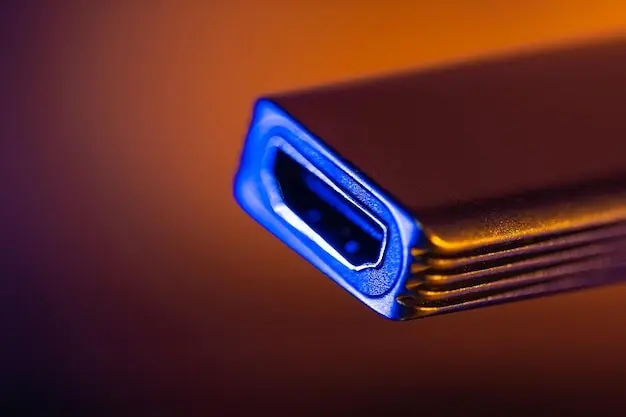
USB-C didn’t win overnight; it earned trust through faster data, sturdier plugs, and generous power delivery that finally fit modern habits. From early confusion to near ubiquity, its journey blends engineering breakthroughs, policy nudges, and millions of little victories on desks, nightstands, and in travelers’ bags everywhere.

Daily Routines Transformed

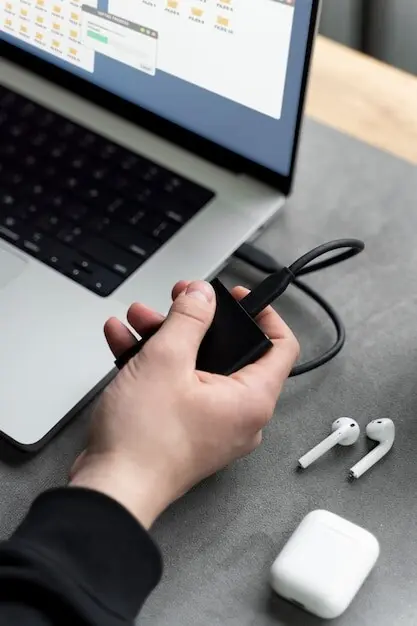
Life changes when one connector powers the phone, laptop, earbuds, and camera. You charge at your desk without hunting adapters, dock with a single click, and leave home carrying less. The streamlined ritual frees attention for work, creativity, friendships, and the unplanned moments that make days memorable.

Charging Every Device From One Brick

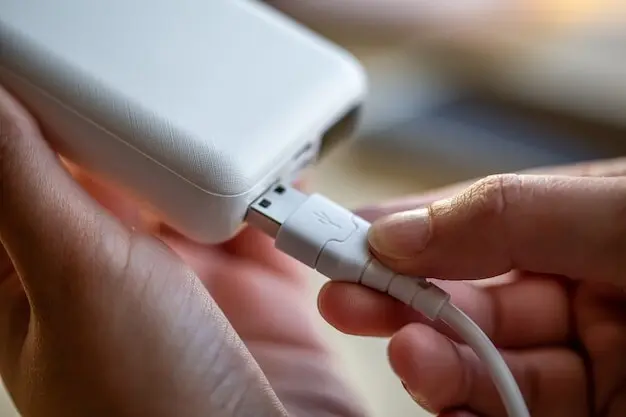
A solid GaN charger with multiple USB‑C ports handles phones, tablets, even many laptops, while sharing power intelligently. Instead of juggling bricks, you plug in once and watch everything fill. Learn your gear’s wattage needs, label ports, and carry one trusted brick to banish dead batteries and frantic scrambles.

Desk Setups That Click

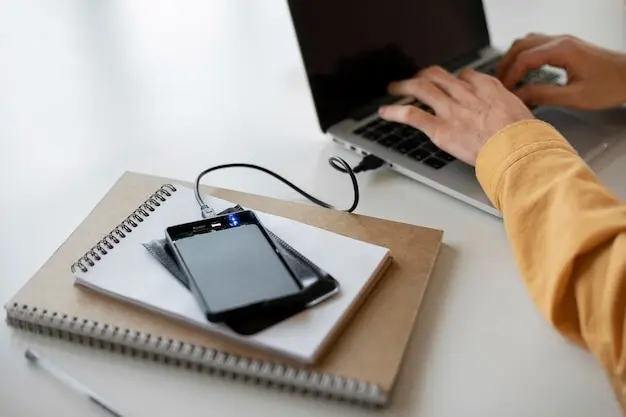
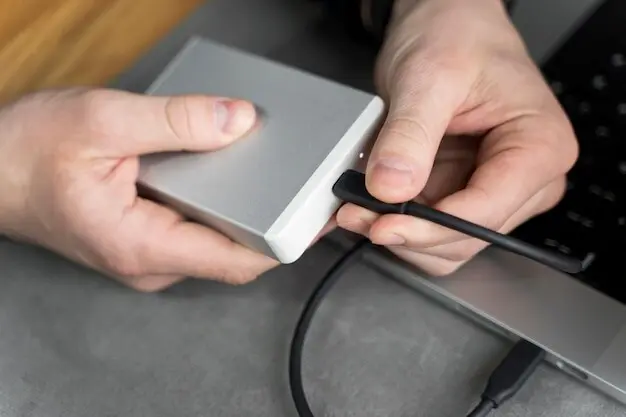
One cable to your monitor or dock can deliver power, data, and displays while tidying the workspace. You sit down, connect, and focus. A friend swapped three cords for one, gained desk space for sketching, and discovered that fewer interruptions meant deeper work, clearer thinking, and cheerier afternoons.

Choosing Reliable Cables and Chargers
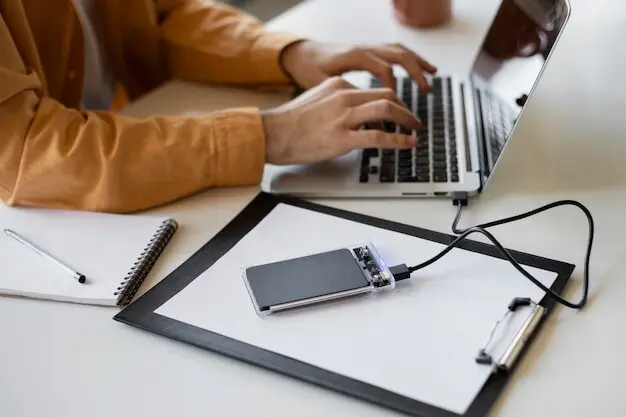
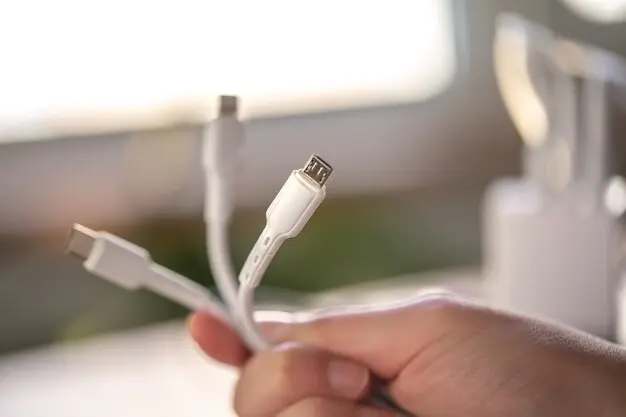
Not all USB‑C gear is equal. The right cable unlocks charging speeds, data throughput, and display clarity, while the wrong one throttles everything. Learn about E‑markers, wattage labels, and certification. Investing wisely protects your devices, your files, and your patience, paying back every day with seamless reliability.

Phones Lead the Way, Laptops Follow

Phones made USB‑C feel natural through daily charging, quick top‑ups, and universal accessories. Laptops then embraced single‑cable power and docking, upgrading portability. The result is a shared ecosystem where your pocket device and main computer cooperate more easily, reducing friction and helping ideas move faster between screens.
Android phones adopted USB‑C years ago, bringing reversible plugs, faster charging, PPS flexibility, and reliable data. Many models enable display‑out or desktop modes for focused work. With common accessories everywhere, replacing cables on trips or borrowing a friend’s charger becomes simple, practical, and refreshingly drama‑free in stressful moments.
Apple’s move to USB‑C on iPhone 15 brought shared charging with Macs and iPads, and Pro models gained USB 3 speeds for big media transfers. Photographers rejoice; footage offload finally keeps pace with shooting. One less proprietary cable means lighter bags, faster handoffs, and happier collaborative workflows every week.
Beyond simple charging, many phones support DisplayPort Alt Mode for external screens, while others focus on robust data or advanced audio. Capabilities differ by chipset and vendor, so checking specifications avoids surprises. Pairing the right dock or adapter unlocks delightful possibilities, from presentations to couch gaming and creative sketching.

Headphones and Audio Interfaces

USB‑C headphones draw stable power and often act as USB audio devices, simplifying calls and travel. Compact interfaces feed microphones while monitoring latency‑free. Bring a short, reliable cable and you’re ready to record a clear voice memo, stream a set, or join meetings without scrambling for fragile dongles.

Cameras and Creators’ Tools

Modern cameras charge in‑body via USB‑C, support UVC live streaming, or transfer RAW files quickly. Pair with a sturdy cable and PD power bank for field shoots. One filmmaker told me they scrapped bulky chargers entirely, reclaiming backpack space for lenses, snacks, and an extra layer against wind.

Gaming Handhelds and Consoles

Devices like Steam Deck and ROG Ally thrive on USB‑C power and docking, driving displays and peripherals with a single connection. Even portable consoles gain cleaner charging. Choose reputable docks and high‑wattage power supplies to prevent brownouts mid‑boss fight, preserving immersion and protecting cherished saves from heartbreaking corruption.

Pitfalls, Myths, and Fixes
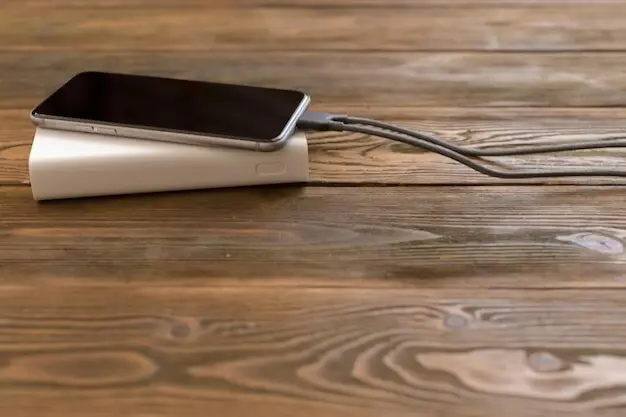
Confusion persists because identical plugs hide different abilities. Mismatched cables, underpowered chargers, or feature‑limited ports can sabotage expectations. A little labeling, patient testing, and a short checklist rescue daily reliability. The payoff is calmer routines, predictable performance, and that smug smile when friends ask how you simplified everything.

Looking Ahead

The one‑cable idea matures as new standards merge speed with flexibility. USB4, Thunderbolt progress, and smarter PD help homes, studios, and classrooms run cleaner. Tomorrow’s delights will feel invisible: fast, reliable, and quiet. Keep learning, label gear, share discoveries, and help friends step into calm, clutter‑free routines.

USB4 and Thunderbolt Convergence

USB4 already harmonizes protocols for data and display, while Thunderbolt extends capabilities with strict certification and docking polish. The trend points toward clearer labeling and higher, more predictable performance. As cables improve, one connection will handle workstations, creators’ rigs, and gaming setups without drama, adapters, or reliability trade‑offs.

Wireless vs Wired: The Balanced Future

Qi2 aligns magnets for better wireless charging, yet wired USB‑C still wins when you need absolute speed and efficiency. The smart move is balance: use wireless for convenience, cables for production. With choice and clarity, you’ll move confidently between couch, desk, and road without compromising results or sanity.

Designing Homes Around Power Delivery

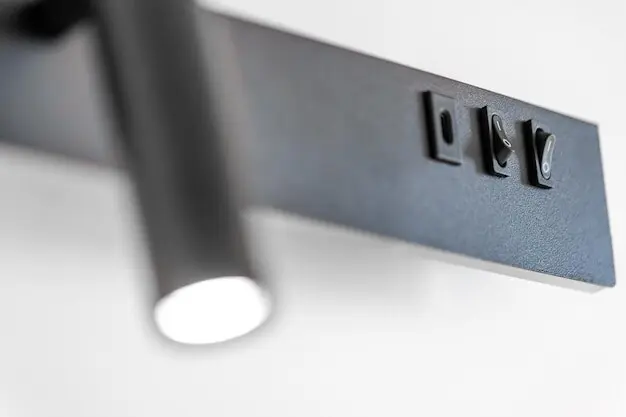
Power Delivery in wall outlets, desk grommets, and bedside lamps removes bricks from sight and minds. Choose 30–60W for phones and tablets, higher for laptops where needed. Add short cables in convenient trays, and guests instantly understand how to plug in, relax, and feel genuinely welcome.

Kentodavosirasentolivo
Privacy Overview

This website uses cookies so that we can provide you with the best user experience possible. Cookie information is stored in your browser and performs functions such as recognising you when you return to our website and helping our team to understand which sections of the website you find most interesting and useful.