Charge Smarter: Cracking USB‑C Power Delivery and Real Fast Charging

Today we unpack USB-C Power Delivery and fast-charge standards across phones, laptops, tablets, handheld consoles, and accessories, revealing how chargers, cables, and devices negotiate safe voltage and current. Expect practical explanations, relatable stories, and buying tips so you can charge confidently, avoid myths, and travel lighter without sacrificing speed or battery health. Join the discussion, ask questions, and subscribe for practical updates.

Inside the Handshake: How Power Decisions Are Made

A tiny conversation over the CC pins decides everything from initial 5 volts to high wattage levels. USB Power Delivery advertises source and sink capabilities as power data objects, then settles on safe voltage and current. With PD 3.1, extended power range unlocks 28, 36, and 48 volt rails up to 240 watts, while PPS enables fine-grained voltage steps that reduce heat and improve efficiency across demanding devices.

Cables Matter More Than You Think

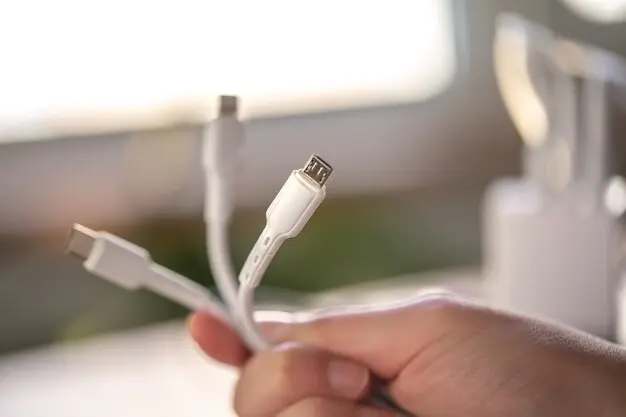
Spotting a 5A E-Marked Cable

Look for a thicker build, reputable branding, and clear 5 amp or 240 watt markings, ideally backed by USB-IF certification. When plugged in, capable gear may report current limits in diagnostics. If power mysteriously caps at 60 watts, suspect a missing e-marker or a counterfeit product.

Length, Gauge, and Heat

Longer cables increase resistance and voltage drop, making devices draw more current or step down profiles. Favor shorter, thicker options for demanding laptops or handhelds. If connectors feel hot, stop, inspect for debris, and consider replacing before heat accelerates battery wear or damages ports.

Data Speed Myths vs Charging Reality

A cable boasting eye-catching gigabit figures might still be limited to 3 amps. Conversely, a modest USB 2.0 lead could deliver full 100 watt power if e-marked for 5 amps. Read the spec sheet carefully, and avoid assuming data capability equals charging performance.

Standards in the Wild: PD, PPS, QC, and Beyond
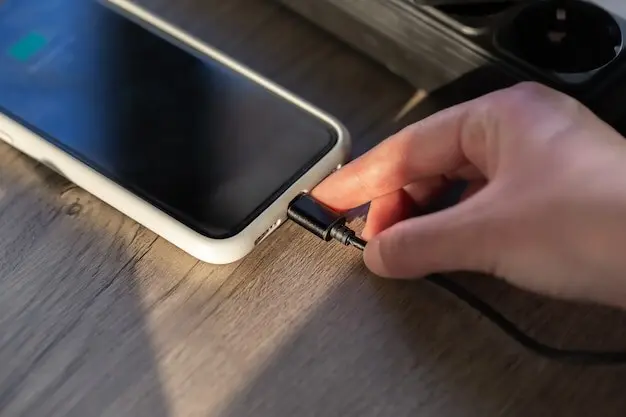
The charging landscape blends interoperable specifications with proprietary ideas. USB Power Delivery remains the universal backbone; PD 3.1 extends wattage dramatically, while PPS optimizes handset thermals. Quick Charge coexists and often hands control to PD on modern phones. Legacy systems, from Samsung AFC to Apple 2.4 amp signaling, still appear and usually fall back gracefully when paired thoughtfully.

Real-World Pairings and Case Studies
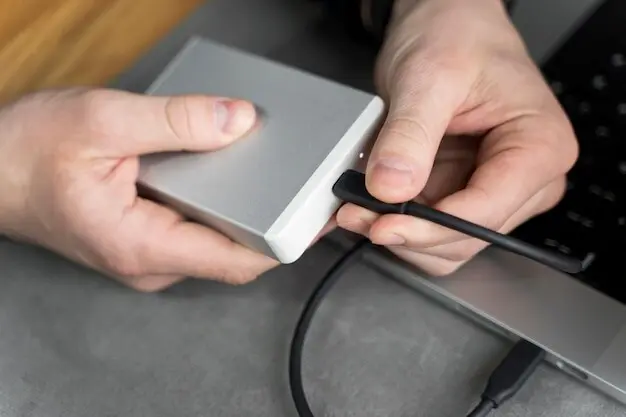
Numbers mean little until tested in backpacks, cafes, and airport gates. We explore laptops that accept 65 watts happily, consoles that insist on 15 volts, and phones that shine with PPS. You will find stories, quick wins, and packing lists that genuinely reduce stress without sacrificing performance.

Battery Health and Safety First

Fast charging is only useful when it respects chemistry. High current generates heat, which silently ages cells and throttles speed. PPS helps by reducing conversion loss, while optimized charging features pause at partial levels. Choose quality adapters, retire damaged cables, and keep devices cool during heavy sessions.

Wattage Math Without the Headache

Match or exceed the original adapter rating, then check combined draw if multiple devices share one brick. A 65 watt unit might deliver 45 plus 18 when two ports run. If your laptop demands 20 volts at 5 amps, ensure the cable and charger are explicitly rated.

Certification, Logos, and What They Really Mean

USB-IF marks indicate passing compliance tests, but counterfeits exist. Cross-check model numbers, buy from trusted retailers, and read independent measurements when possible. Safe gear is not always expensive; it is consistent, transparent, and honest about limits, especially around 5 amp current and 240 watt claims.

Power Banks with True PD and PPS

Look for clear output tables showing 5, 9, 12, 15, and 20 volt PD modes, plus PPS ranges like 3.3 to 11 volts or 3.3 to 21 volts. Verify passthrough behavior, cell quality, and airline compliance. Real capacity depends on conversion efficiency, not just printed numbers.

Kentodavosirasentolivo
Privacy Overview

This website uses cookies so that we can provide you with the best user experience possible. Cookie information is stored in your browser and performs functions such as recognising you when you return to our website and helping our team to understand which sections of the website you find most interesting and useful.